A Guide to Understanding Pilates Rings: Choosing the Right Magic Circle
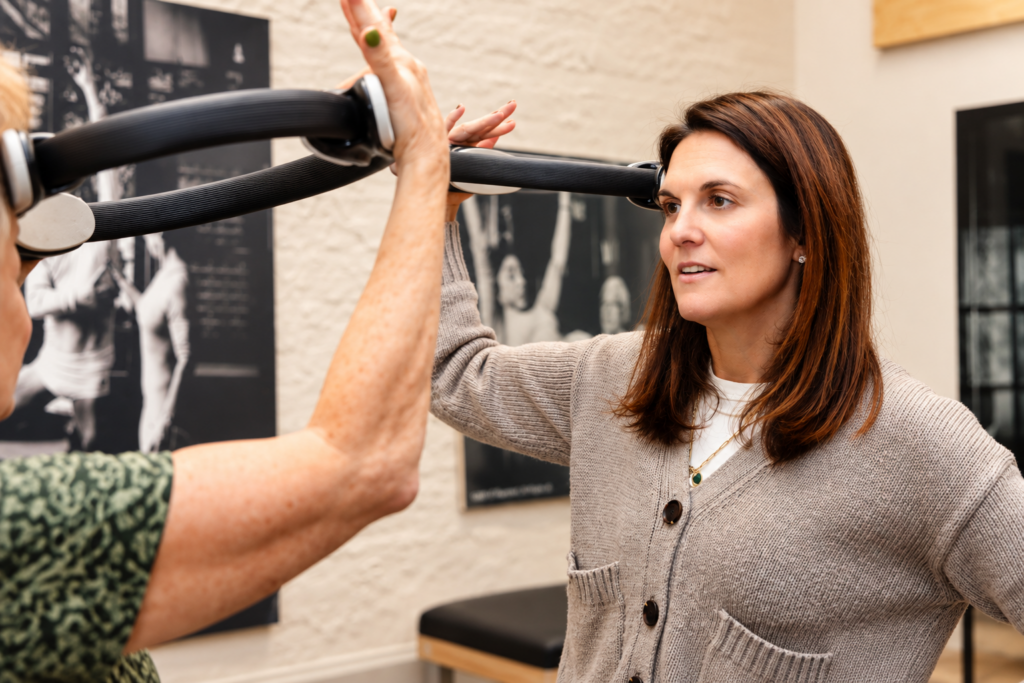
The Pilates ring—more traditionally known as the Magic Circle—is one of the simplest pieces of Pilates equipment, but don’t let its simplicity fool you. Used correctly, a Magic Circle can completely change how an exercise feels.
It can add resistance, encourage better alignment, and give you valuable feedback about how your body is working. It is small enough to use at home but versatile enough to be part of a studio Pilates practice. You’ll find Magic Circles incorporated into Pilates classes and private sessions at Evolution Pilates.
And while a ring may look like a pretty straightforward purchase, there are actually several different sizes, styles, and constructions to choose from.
So which one is right for you?
A Little Magic Circle History
One story about the origins of the Magic Circle traces it back to the metal rings used around beer kegs. Whether or not that is the complete story, it fits beautifully with Joseph Pilates’ resourceful approach to equipment.
Large barrels became smaller pieces of apparatus, including the Spine Corrector and Ladder Barrel, while the rings evolved into the Magic Circle. The original circles could have multiple bands—one, two, three, or even four—creating different levels of resistance.
Those early-style metal circles are increasingly difficult to find today.
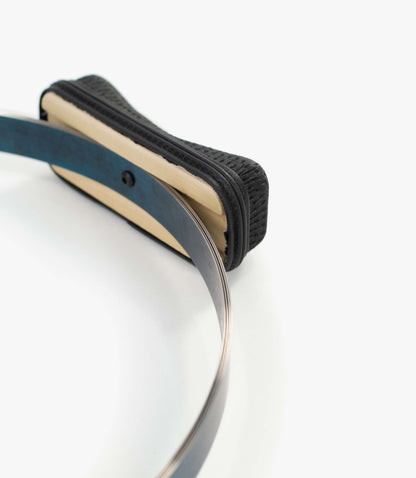
Classical-style Magic Circles were made with spring steel bands, creating different levels of resistance.
The equipment has evolved, but the principle hasn’t: the circle gives the body resistance, feedback, and another way to experience the work.
How Does a Pilates Ring Work?
The Magic Circle creates resistance when you press against it. You can place it between your hands, thighs, or ankles, or use it in a variety of other positions.
But the goal isn’t simply to squeeze the ring as hard as possible.
One of the things that makes the Magic Circle so useful is the feedback it provides. When you press into the ring, you have to pay attention to what the rest of your body is doing. Are your shoulders staying relaxed? Is your pelvis stable? Are both legs working evenly? Are you maintaining control of your center?
This is where the ring becomes more than just a resistance tool. It can help you feel the exercise.
Why Use a Pilates Ring?
It Adds Resistance
A Magic Circle can make familiar Pilates exercises more challenging without requiring additional equipment. It is particularly useful for a home Pilates practice when you don’t have access to a full studio.
It Encourages Better Alignment
The ring gives you something to press against, providing immediate feedback. It can help you become more aware of your shoulders, arms, legs, pelvis, and center as you work.
It Increases Body Awareness
Pilates is about much more than moving through a series of exercises. The more aware you are of how your body is organized, the more effective the work becomes. The ring gives you another point of contact and another sensation to work with.
It’s Versatile
The Magic Circle can be used lying down, sitting, kneeling, or standing. It can be incorporated into exercises for the arms, legs, and center, and it adds variety to both studio and home practices.
And perhaps best of all, it takes up almost no space.
What Size Pilates Ring Should You Buy?
Pilates rings generally come in sizes around 12, 14, and 15 inches, although classical spring circles can be larger. There isn’t one size that is right for everyone. Your body size, the exercise, and how you intend to use the ring all matter.
12-Inch Pilates Ring
A 12-inch ring is smaller and more compact. It can be a good option for smaller frames and for exercises where you want a more contained circle and a little more resistance.
14-Inch Pilates Ring
The 14-inch ring is probably the most common size and is a good all-around choice for many people. If you’re buying your first Magic Circle and aren’t sure which size to choose, this is a good place to start.
15-Inch Pilates Ring
A 15-inch ring gives you a little more room and can be particularly comfortable for taller people or exercises where a larger circle is helpful.
This is the size we use at Evolution Pilates.
Shop the 15-inch Pilates Ring we use in the studio
What About a Mini Magic Circle?
There is a difference between a generic “mini ring” and a Mini Magic Circle used in classical Pilates.
The Mini Magic Circle is a smaller piece of Pilates apparatus designed specifically to create new challenges within the Pilates system. It can be used with the Mat, Reformer, Wunda Chair, and other apparatus.
And they’re surprisingly hard to find.
TecnoPilates specifically produces the Mini Magic Circle for use within the Pilates system. It is a much more specialized piece of equipment than the small curved resistance rings you’ll often find marketed as “mini Pilates rings.”
See the TecnoPilates Mini Magic Circle
What About the Classical Spring Circle?
This is where things get really interesting.
The modern Magic Circle most people know has a flexible core covered with foam or rubber and padded handles. The classical Spring Circle is something quite different.
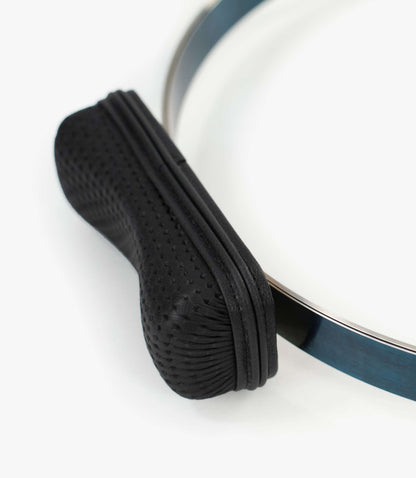
Contrology describes its Spring Circle as a faithful reproduction of Joseph Pilates’ design. It is made from tempered spring steel with padded wooden handles and is available with two, three, or four bands, offering increasing levels of resistance.
See the Classical Spring Circle from Contrology
It is heavier and has a very different feel from the lightweight foam-covered rings most people encounter today. For someone interested in the history and feel of classical Pilates equipment, it is a very special piece of apparatus.
And if you’ve ever had the chance to work with one, you’ll understand why.
What Is the Best Material for a Pilates Ring?
The right material really depends on what you’re looking for.
Modern Magic Circle
Most contemporary rings have a flexible metal, fiberglass, or plastic core with foam or rubber covering and padded handles. They’re lightweight, comfortable, and practical for home use.
Classical Spring Circle
The classical version uses spring steel, traditionally with wooden handles and multiple bands.
For everyday home practice, a modern ring is perfectly useful. If you’re interested in the history and feel of classical Pilates equipment, the Spring Circle is something entirely different.
One Important Thing to Remember
The Magic Circle is not a test of how hard you can squeeze.
If you find yourself gripping your shoulders, holding your breath, or losing your alignment because you’re trying to crush the ring, you’ve gone too far.
The purpose of the ring is to help you work with more awareness and control. More resistance isn’t automatically better.
The goal isn’t to squeeze harder. It’s to feel more.
So, Which Pilates Ring Should You Buy?
If you want to keep it simple:
12-inch: A good option for smaller frames or more compact exercises.
14-inch: A versatile, all-around choice and a good first Magic Circle.
15-inch: More room and the size we use at Evolution Pilates.
Mini Magic Circle: A specialized smaller piece of classical Pilates apparatus.
Classical Spring Circle: The choice for someone who wants the closest experience to the original-style Magic Circle.
We’ve pulled our favorite options together in Mo’s Magic Circles, including our studio pick and some of the harder-to-find styles.
Pilates Ring FAQs
What is the difference between a Pilates ring and a Magic Circle?
They are essentially two names for the same type of Pilates equipment. Magic Circle is the traditional Pilates term, while Pilates ring is the term most commonly used today.
What size Pilates ring is best?
A 14-inch ring is a versatile choice for many people. A 12-inch ring can work well for smaller frames, while a 15-inch ring provides more room and is the size we use at Evolution Pilates.
What size Magic Circle does Evolution Pilates use?
We use a 15-inch Magic Circle in the studio.
What is a Mini Magic Circle?
A Mini Magic Circle is a smaller piece of Pilates apparatus designed specifically for Pilates exercises. It is different from the small curved resistance rings commonly sold as fitness accessories.
What is a classical Spring Circle?
A classical Spring Circle is made from spring steel and traditionally has wooden handles and multiple bands. Modern reproductions, such as the Contrology Spring Circle, are based on Joseph Pilates’ original-style design.
Ready to Feel the Difference?
Whether you’re new to Pilates or have been practicing for years, we believe the best results come from learning the system—not simply collecting exercises. At Evolution Pilates, we teach classical Pilates with an emphasis on precision, control, strength, stamina, stability, and stretch.
Come experience it for yourself. Explore our Pilates classes or book a private or duet session at our studio in Port Washington, NY.
FEEL THE DIFFERENCE.
Disclosure: Some links are Amazon affiliate links, which means we may earn a small commission at no additional cost to you.